For decades, teams have struggled to make slide decks that are both clear and engaging. As a result, most decks end up forgotten or skimmed. Yet, whenever we have a big idea to share, we still spend hours fighting with text alignment and image cropping. It’s a bizarre tax on creativity. The Gamma presentation tool isn’t just an AI shortcut; it’s a break from the slide’s legacy.
By moving away from static pages toward a fluid, responsive canvas, Gamma reveals a fundamental shift in how we persuade. In other words, the future of presentations isn’t a series of pictures, but a “living document” that actually fits how we work today. Moreover, it removes friction for viewers, helping teams share ideas more clearly and effectively.
Table of Contents
Why the 16:9 Slide Deck No Longer Works
- The 16:9 slide deck started as a format for rooms, projectors, and live presentations
That setup assumes everyone is present, listening, and moving through slides together. - Today, teams share most presentations as links and consume them asynchronously. Viewers open them alone, often without the presenter, and usually skim the content.
- Slides depend heavily on spoken context.
Without narration, many decks feel incomplete or confusing when read on their own. - Slide-by-slide structure assumes a linear flow.
But people don’t read that way anymore. They scroll, jump between sections, and look for what’s relevant. - Teams create slide decks for a single meeting, and they quickly become outdated, hard to update, or forgotten.
- This makes presentations feel like events, not living resources.
Something that exists briefly, rather than something teams return to. - Slides still work well for live talks and visual storytelling.
But for async, distributed work, the limitations of the 16:9 format are hard to ignore.
From Slides to Living Documents
As the way we work has changed, expectations from presentations have changed too. A deck is no longer just something you show in a meeting. It’s often expected to work on its own , to explain ideas clearly even when no one is there to present them.
This is why many teams are slowly moving away from slide-first thinking and toward something more document-like. Instead of designing for a single moment, they’re creating content that can be read, shared, updated, and reused over time.
This shift shows up in a few clear ways:
- Presentations are expected to be readable, not just visually aligned
People open them like articles, scroll through sections, and return later for reference. - Content needs a longer lifespan
A presentation might start as a meeting update, then turn into documentation, onboarding material, or a shared resource. - Structure matters more than layout
Clear sections, logical flow, and narrative context matter more than slide design or animations. - Sharing happens by link, not file
Presentations live on the web, not as attachments buried in inboxes.
In this model, a presentation behaves less like a deck and more like a living document. It evolves as ideas evolve. It supports async work instead of fighting it. And it values clarity of thought over visual polish.
This is where tools like Gamma fit naturally. Rather than replacing slides, Gamma meets the way people actually use presentations today.


What Gamma Presentation Tools Gets Right
Gamma works not because it adds more features to presentations, but because it starts from a different assumption: that presentations should be readable by default.
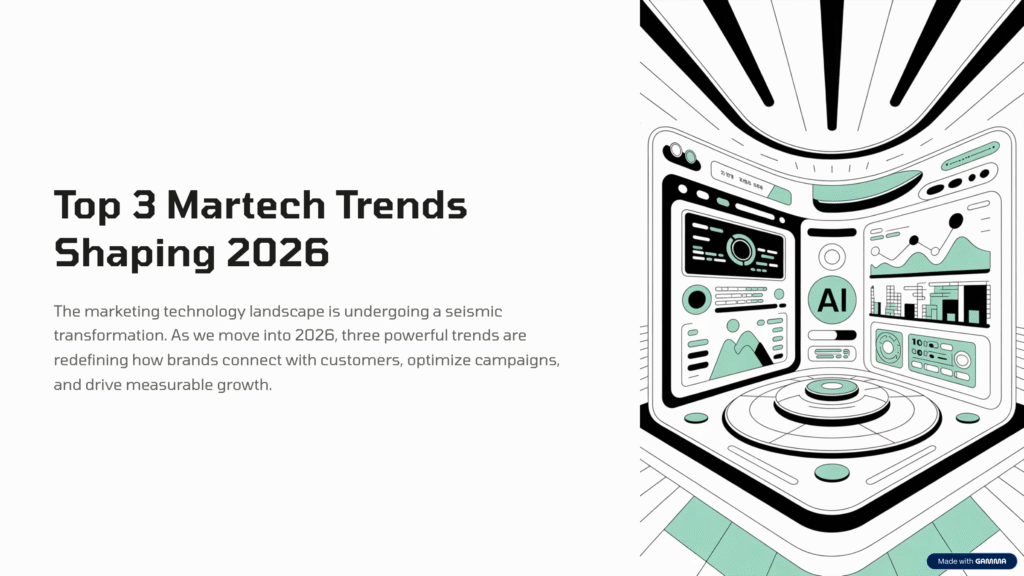
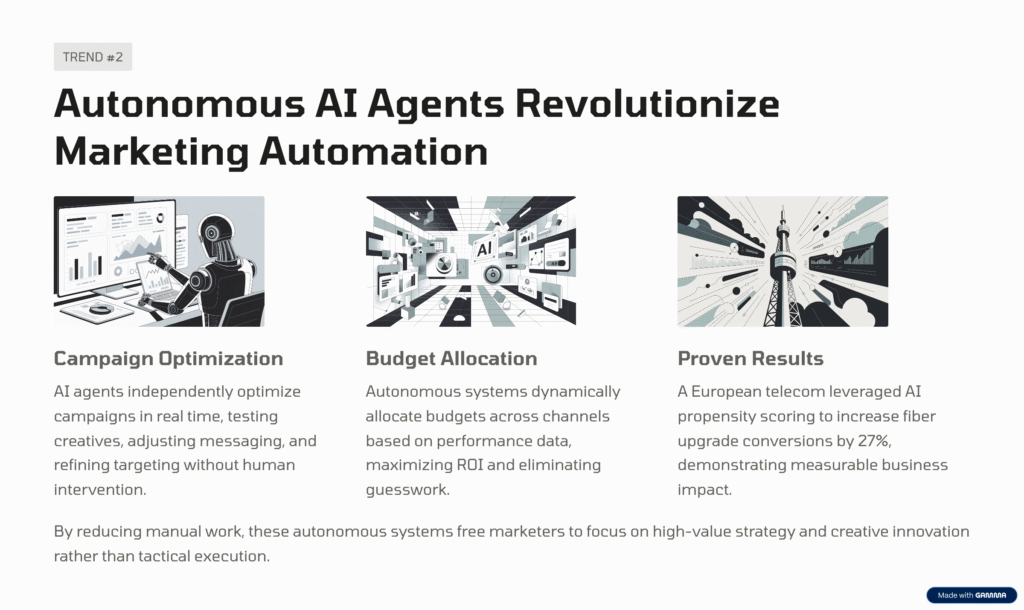
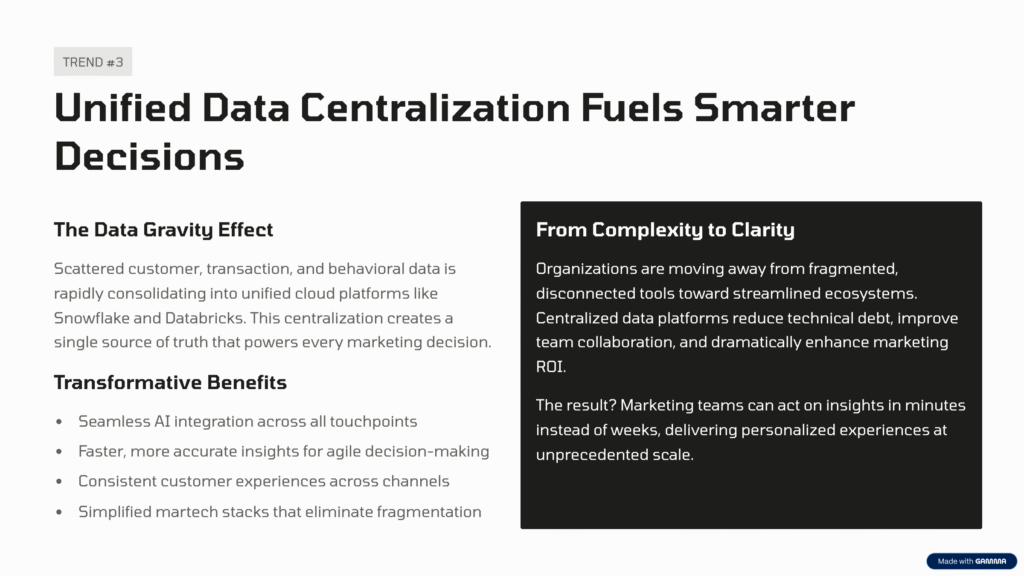
Instead of forcing ideas into rigid slides, Gamma encourages a more narrative structure. Content flows vertically, sections build on each other, and readers can move through it the way they would a web page or article. That alone removes much of the friction teams face when consuming presentations today
A few things Gamma gets right:
- Narrative-first structure
You start with ideas and sections, not slide layouts. This pushes writers to think clearly before worrying about visuals. - Scroll-based reading
Presentations feel natural to read on a screen. No clicking through slides, no guessing what comes next. - Web-native by default
Sharing a presentation as a link isn’t an afterthought , it’s the main mode of consumption. - AI as a starting point, not the output
Gamma’s AI helps with structure and momentum, but the value still comes from human thinking and editing. - Easy to update and reuse
Because the content behaves like a document, it’s easier to revisit, refine, and repurpose over time.
Learn more about Gamma and web-native presentations
What’s important here is not that Gamma is “better” than traditional tools. It’s that it aligns with how teams already work — asynchronously, across time zones, and with limited attention.
Gamma doesn’t just change how presentations look. It subtly changes how people write and organize their thinking. And that’s where its real value lies.
Where Gamma Presentation Tool Fits and Where It Doesn’t
Gamma works best in situations where clarity, structure, and shareability matter more than visual polish. It’s especially useful for content that needs to be read and revisited, not just presented once.
It fits well for:
- Internal updates and strategy docs
When teams need to share context, not just slides. - Async communication
Updates that people read on their own time, without a live walkthrough. - Narrative-heavy presentations
Pitches, explainers, and ideas that benefit from flow and structure. - Guides and learning material
Content that behaves more like documentation than a slideshow.
That said, Gamma isn’t trying to replace every presentation tool.
It may not be the best choice when:
- Highly branded design is the priority
Agency decks with strict visual guidelines often need finer design control. - Offline access is required
Web-native tools naturally assume an internet connection. - The presentation is purely visual
Talks where imagery, animation, or custom layouts do most of the work.
These limits don’t weaken Gamma’s position. They clarify it. Gamma is not a universal solution , it’s a tool designed for a specific shift in how presentations are used today.
What This Means for Teams and Founders
Tools don’t just help teams work faster , they quietly shape how people think. When the default format is a slide, ideas are compressed, fragmented, and often stripped of context. When the format allows for narrative, ideas have room to develop.
This shift matters for teams and founders who rely heavily on written communication. Updates, pitches, strategies, and onboarding materials all benefit from being clear, readable, and easy to revisit. The more work moves async, the more valuable this kind of structure becomes.
Gamma reflects this reality. It encourages people to write with intention, organize thoughts logically, and treat presentations as shared resources rather than one-time performances. Over time, that changes not just how content looks, but how decisions are communicated and understood.
For growing teams especially, this approach reduces friction. Less time is spent explaining context. Less information is lost after meetings. And ideas live longer than the moment they were first presented.
Beyond the 16:9 Deck
The future of presentations isn’t defined by better animations or smarter templates. It’s defined by how well ideas travel after the meeting ends.
The Gamma presentation tool isn’t important just because it uses AI or looks different from traditional slide tools. It’s important because it challenges a long-standing assumption, that presentations must be built as slides at all.
As work becomes more distributed and communication more async, presentations are starting to look less like decks and more like living documents. Gamma is simply one of the clearest examples of that shift.
The real takeaway isn’t about choosing the right tool. It’s about recognizing that the way we structure information shapes how it’s understood. And in that sense, moving beyond the 16:9 deck isn’t just a design change , it’s a communication one.
Create Stunning Presentations in Minutes — demo of how Gamma works.
Enjoyed this deep dive on Gamma and the future of presentations? I’d love to hear your thoughts or help you craft content, guides, or blogs that get noticed.
Contact me to discuss your project or collaboration. Let’s create something your audience will actually read.

